
Steroid Blog
Anavar vs Primobolan in Women: Scientific Analysis of Safety and Physiological Impact 🔬♀️
Dec
Scientific evaluation of anabolic–androgenic steroids in women has been confined to a limited number of clinical and experimental studies. Within this research area, Anavar and Primobolan are often discussed due to their relatively mild androgenic characteristics. This article analyzes existing scientific data, reported exposure parameters, observed physiological outcomes, and safety-related aspects through an objective, non-guiding perspective.
1. Androgen Responsiveness in Female Hormonal Physiology 🧠
Female endocrine function differs substantially from male physiology and is defined by several key features:
- Low natural androgen production
- Increased sensitivity at the androgen receptor level
- Greater likelihood of virilizing effects, even under minimal androgen exposure
“In female patients, the threshold between beneficial and adverse androgenic effects is extremely limited.”
— Journal of Clinical Endocrinology
2. Anavar: Pharmacological and Scientific Context
Anavar was originally formulated for therapeutic use in patients experiencing muscle wasting and severe catabolic conditions. From a chemical standpoint, it is categorized as a 17α-alkylated derivative of dihydrotestosterone.
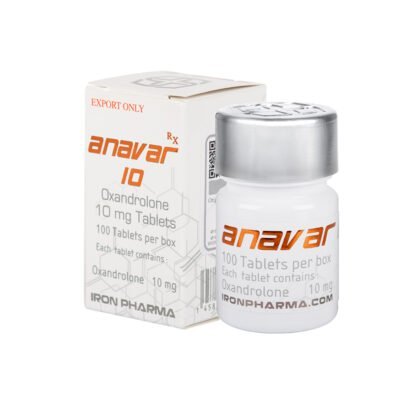
figure 1. Anavar 10 Oxandrolone form steroidgo.com
Pharmacological Characteristics
- Strong anabolic activity relative to androgenic action
- Absence of estrogen conversion
- Efficient oral absorption
- Metabolism primarily involving the liver
Oxandrolone demonstrates anabolic selectivity while minimizing androgen-related signaling pathways.
— American Journal of Medicine
3. Primobolan: Pharmacological and Scientific Context
Primobolan is a DHT-derived compound without alkylation, studied in both oral and injectable research environments.

figure 2. Primobolan Methenolone form steroidgo.com
Pharmacological Characteristics
- Minimal androgen receptor activation
- No estrogenic transformation
- Lower hepatic stress
- Stable and predictable pharmacokinetic profile
Methenolone is consistently reported to have among the lowest virilization risks of anabolic agents examined.
— Endocrine Pharmacology Review
4. Exposure Levels Documented in Research 📊
| Compound | Reported Exposure Parameters | Research Setting |
|---|---|---|
| Anavar | Low single-digit mg per day | Clinical rehabilitation studies |
| Primobolan | Low-dose administration | Experimental pharmacological research |
5. Safety Profile Comparison
| Assessment Factor | Anavar | Primobolan |
|---|---|---|
| Androgenic Effect | Low | Very Low |
| Estrogen Conversion | None | None |
| Liver Involvement | Present | Minimal |
| Virilization Risk | Moderate | Lower |
| Hormonal Suppression | Documented | Less documented |
6. Evaluation of Combined Exposure in Literature
Most scientific analyses assess these compounds individually. Investigations involving combined androgen exposure in women are scarce, largely due to ethical and methodological limitations.
“There remains a significant lack of controlled studies examining combined androgen exposure in female populations.”
— Hormone Research in Women
7. Observational Accounts from Non-Clinical Sources 🗣️
Summaries drawn from documented case observations and non-clinical reports frequently note:
- “Anavar is associated with noticeable anabolic responses.”
- “Primobolan demonstrates a more gradual and stable progression.”
- “Physiological responses differ considerably among individuals.”
8. Scientific Interpretation and Perspective 🎯
Based on current scientific evidence:
- Primobolan appears to present a comparatively wider margin of safety in studies focusing on female physiology
- Anavar continues to hold relevance in clinical discussions but carries additional considerations related to hepatic metabolism and androgenic influence
No anabolic compound can be classified as entirely without risk when applied to female physiology.
9. References 📚
- Journal of Clinical Endocrinology
- American Journal of Medicine
- Endocrine Pharmacology Review
- Hormone Research in Women
- Clinical Androgen Studies Archive
10. Disclaimer ⚠️
This content is provided exclusively for scientific and educational purposes.
It does not constitute medical advice, diagnosis, or treatment.
Hormonal substances may involve significant health risks, particularly in women.
Scientifically reviewed and approved by Dr. Aaron ✅
